


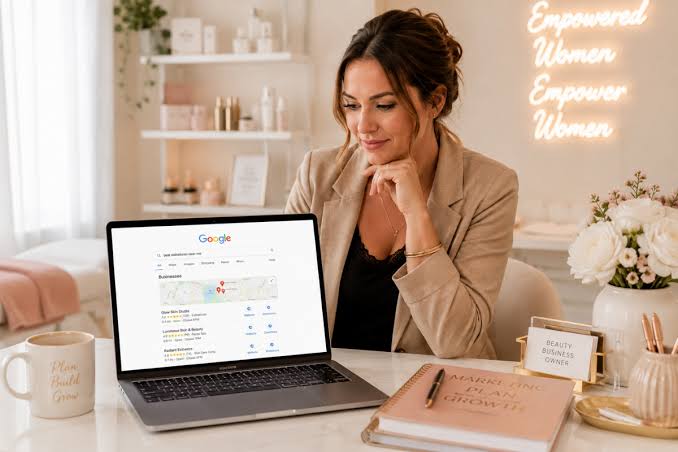
A beauty business needs more than attractive products or a talented team to stand out online. Potential customers also need a reliable way to find the business, learn what makes it different, and take the next step—whether that means booking an appointment or placing an order. A clear website and useful articles can work together to support that journey, provided both are built around real customer needs.
Start With a Website That Makes the Next Step Easy
Your website is often the first detailed impression someone gets of your salon, skincare line, or beauty service. It should answer practical questions quickly: What do you offer? Who is it for? Where are you located? How can someone book or get in touch? Put essential information where visitors can find it without hunting through menus.
Make the experience work well on a phone, too. Customers may discover a service while scrolling during a commute and want to check availability right away. Pages that load slowly, buttons that are hard to tap, or forms that ask for unnecessary details can interrupt that moment. Test the site on different devices and ask a few people unfamiliar with your business to complete a booking or inquiry.
Useful details build trust. For a salon, that might include service descriptions, prices, location, opening hours, and cancellation policies. A beauty brand could provide ingredient information, directions for use, shipping details, and answers to common questions. Keep claims accurate and avoid promising results that a product or treatment cannot guarantee.
Publish Articles That Help Customers
Content can introduce your expertise before a customer is ready to buy. A skincare business might explain how to build a simple routine, while a salon could share advice on preparing for a color appointment or caring for a style at home. The strongest topics come from questions customers already ask—not from trying to squeeze a popular search phrase into every paragraph.
Make each article specific enough to be useful. Include clear steps, explain who the advice applies to, and note when readers should consult a qualified professional. Use headings to help people scan, and add a sensible next step, such as exploring a related service or contacting your team. A steady, realistic publishing schedule is more useful than a burst of posts that are quickly forgotten.
Reach Readers Beyond Your Own Website
Writing for relevant beauty publications can put your ideas in front of people who have not found your business yet. The best guest article contributes something valuable to that publication’s audience, such as expert guidance, a fresh perspective, or a practical checklist. It should not read like a sales pitch disguised as advice.
Before pitching, review a publication’s recent articles and submission guidelines. Check that its subject matter and readership fit your business, and tailor your proposal to the site instead of sending the same generic message everywhere. A directory such as beauty guest posting sites can help you identify potential publications to research. Treat any list as a starting point: check each site’s current standards, audience, and editorial quality before investing time in a pitch.
When an article is accepted, focus on delivering the piece you proposed. Use a short author biography if the publication allows one, and link to your business only where it makes sense and follows the site’s rules. A useful contribution can build recognition and send interested readers to your website; a forced link or thin article is unlikely to earn lasting trust.
Keep Your Site Flexible as the Business Grows
Beauty businesses change. You may add online bookings, introduce new products, update your service menu, or need a faster way to publish articles. A website should be manageable enough for routine updates while remaining dependable as new features are added. WordPress is one common platform for this work, but the right setup depends on the business’s needs and the skills available to maintain it.
If you need custom development, it helps to understand the role before hiring. Put simply, what is a WordPress developer? It is a professional who builds, adjusts, or maintains websites using WordPress, with responsibilities that can range from theme changes to custom functionality. The scope matters: a small design adjustment is different from creating a booking system or fixing a security problem. This guide to hiring a WordPress developer explains how to compare skills, costs, and warning signs. Osdire is one place businesses can explore freelance services, but whichever route you choose, ask candidates to explain their approach and show relevant work.
Make Quality the Measure
A strong online presence is not built from a website launch or a single guest post. It comes from keeping business information accurate, making the site easy to use, publishing helpful content, and choosing outside opportunities with care. Review your pages periodically, check that booking and contact forms still work, and listen to the questions customers bring to your team.
With those basics in place, your website becomes more than an online brochure. It can help the right people discover your expertise, understand your services, and feel confident about getting in touch.
